What is smart planting, and how does it work?
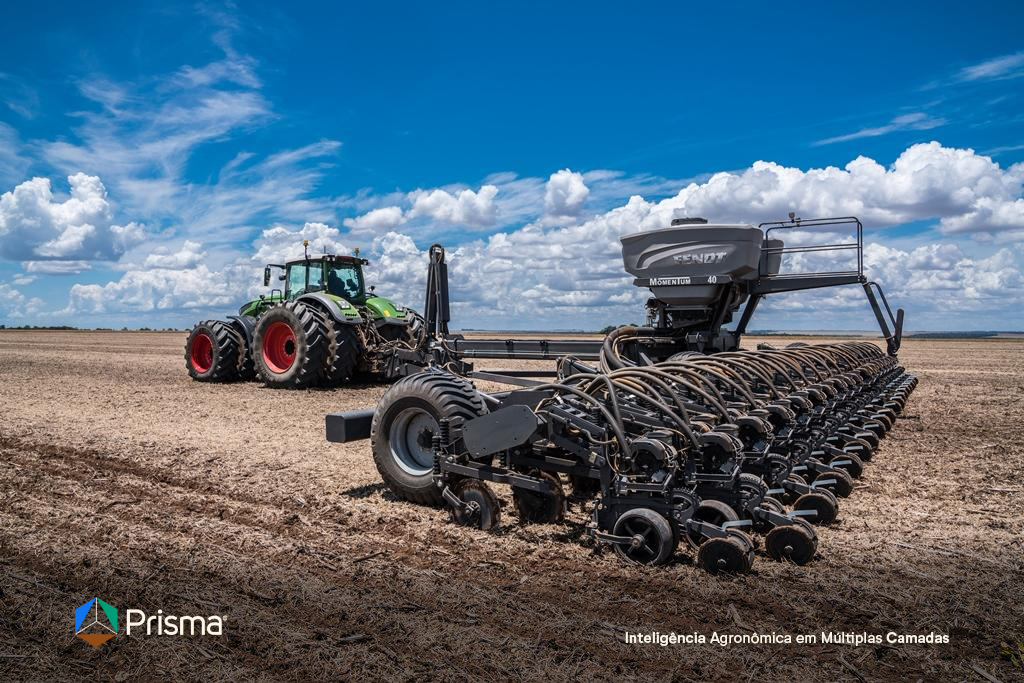
Advances in technology have brought a range of new possibilities to various sectors. Like many other activities, agriculture is being reinvented through new solutions. Innovative approaches are being widely adopted by farm owners. Among them, one of the most current and relevant practices is smart planting.
Also known as precision agriculture, it uses advanced technologies to optimize the cultivation process. Sensors, drones, GPS systems, artificial intelligence, and big data collect and analyze data in real time. In this way, the producer makes more accurate and efficient decisions at every stage of planting, from soil preparation to harvest.
In this article, we explain what smart planting is, its benefits, processes, and where to start.
Enjoy your reading!
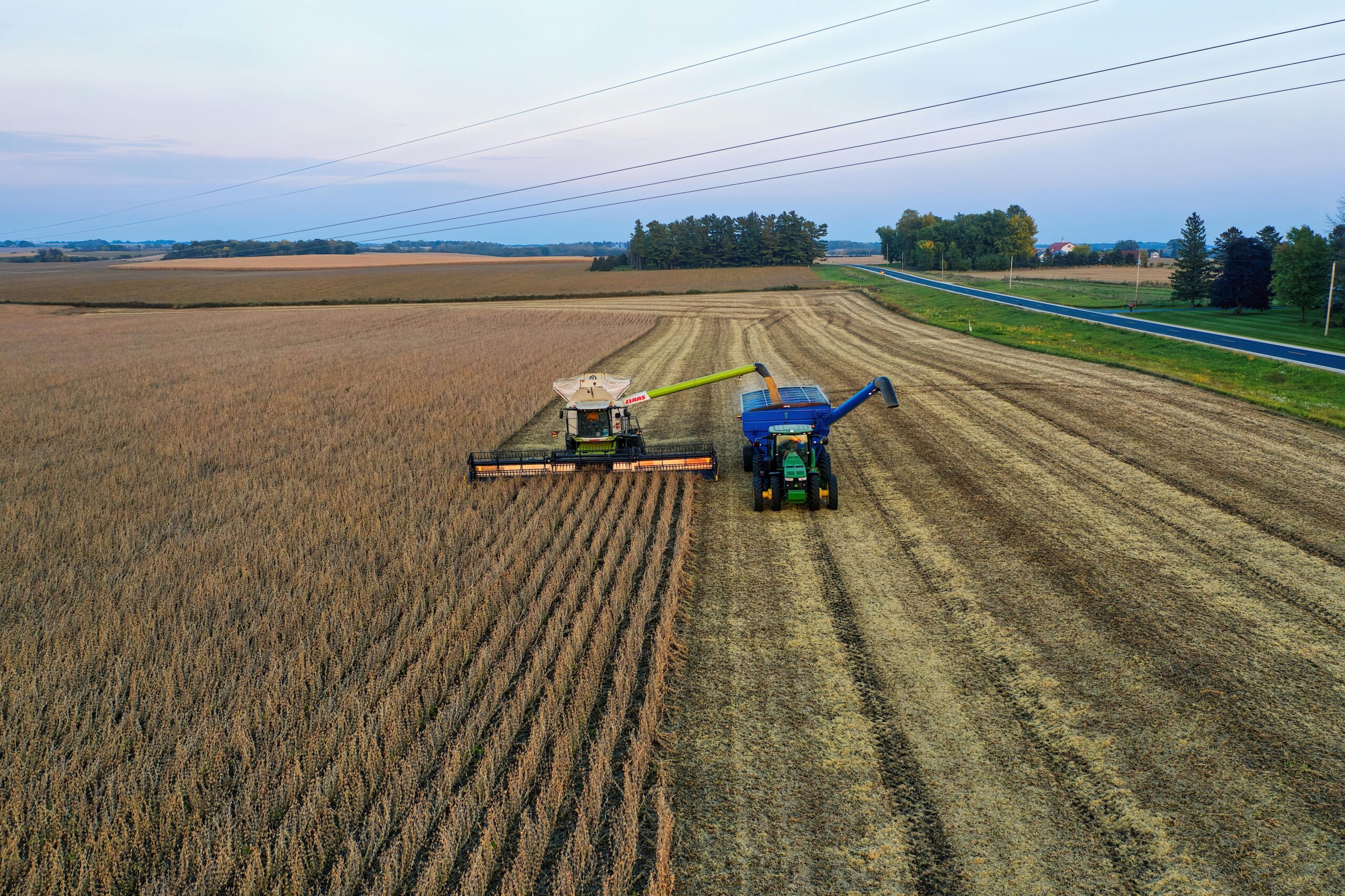
What is smart planting?
In essence, smart planting is the most comprehensive, modern, and efficient strategy for continuously optimizing farm processes and maximizing the productivity of each harvest.
Smart planting combines best agricultural practices with cutting-edge technology to raise the quality and efficiency of production processes, as well as increase crop returns and profitability.
With the introduction of new technologies in agricultural activities—such as drones, artificial intelligence, big data, IoT, satellites, and other solutions—smart planting reduces manual work and financial costs. It also increases production volumes, making agribusiness more profitable and sustainable.
Benefits of smart planting
Agribusiness’ contribution to food security is vital, and demand is growing. Projections indicate that by 2050, global agricultural production must increase by 70% to ensure food for 9 billion people worldwide.
In this context, the smart planting approach—which combines the use of advanced technologies with best agricultural practices—is more than strategic. Only in this way can we optimize the use of natural resources and achieve high levels of productivity.
Smart planting brings a range of benefits for farmers, the environment, and society as a whole. See the main ones:
- Increased productivity: smart agriculture enables farmers to manage agricultural resources more effectively, resulting in higher yields per cultivated area.
- Cost reduction: by optimizing the use of inputs such as fertilizers, pesticides, and water, farmers can significantly reduce their production costs.
- Conservation of natural resources: the precise application of inputs helps minimize waste and pollution, contributing to the conservation of soil, water, and biodiversity.
- Improved food quality: by closely monitoring the crop—from planting planning to harvest—producers tend to deliver healthier, higher-quality food.
Smart planting technologies
In addition to the gains from smart planting—which makes it possible to maximize production, improve crop quality, increase income, and access new markets—the producer needs to understand the technologies that make all of this possible.
Therefore, below we list the most effective smart planting tools:
- Machine learning: machine learning technologies enable farmers to predict changes in climate, soil, and water parameters, carbon content, the spread of diseases and pests, and much more.
- Smart agricultural sensors: these sensors help farmers monitor even the smallest changes in environmental and field conditions in real time.
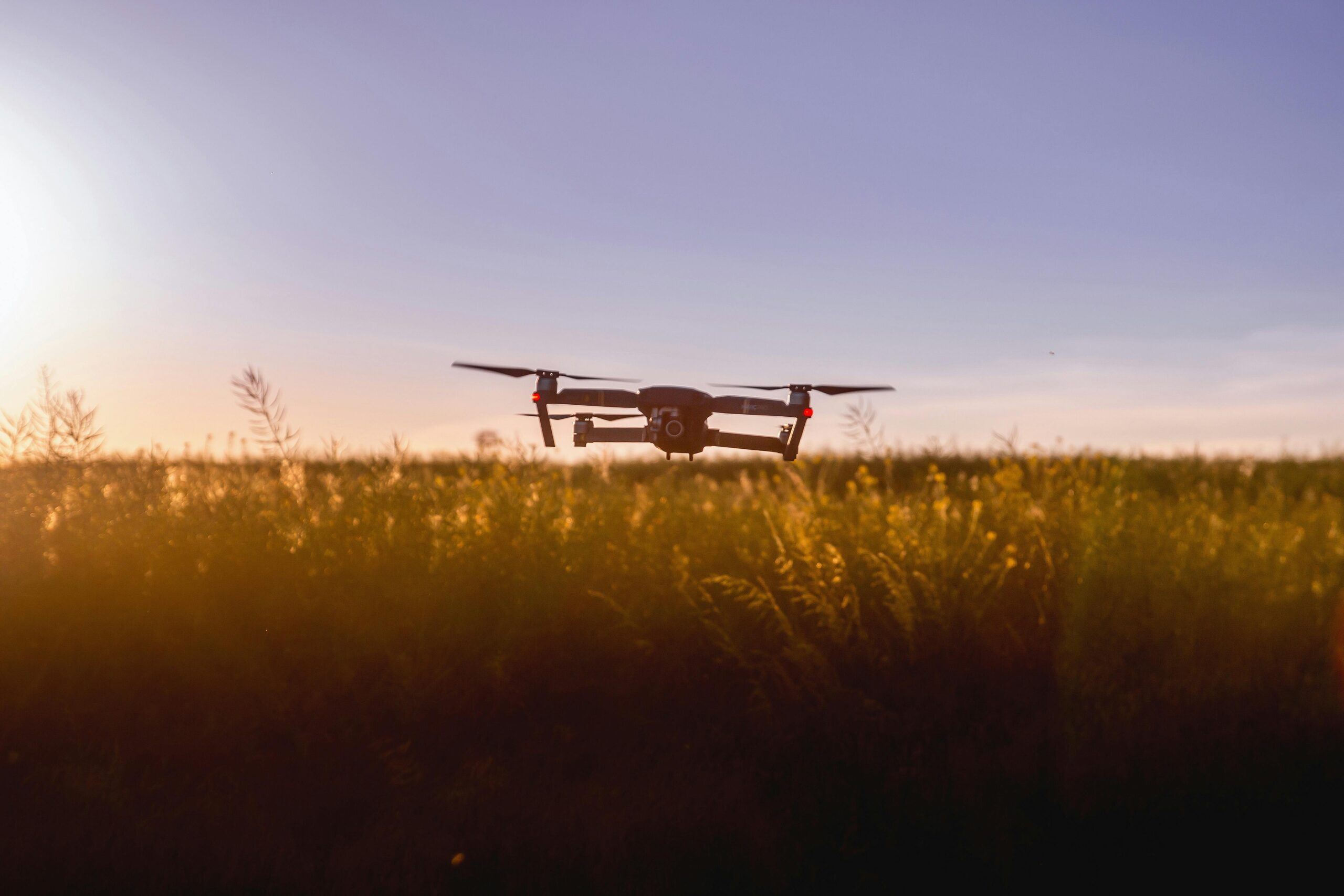
- Drones and satellites with cameras: by using these devices, farmers can create regularly updated maps and monitor the area remotely, without needing to go into the field.
- Big data: this technology enables accurate forecasting, activity planning, and the design of more efficient business models. With smart planting and big data, the producer makes long-term decisions and immediate strategic measures.
- The Internet of Things (IoT): this technology combines all tools and solutions into a single system. All devices and software exchange data and perform specific actions based on patterns.
Thus, smart agricultural technologies compare favorably with older analysis methods, as they consider many parameters simultaneously and minimize the likelihood of error.
Smart planting: the main processes of this approach
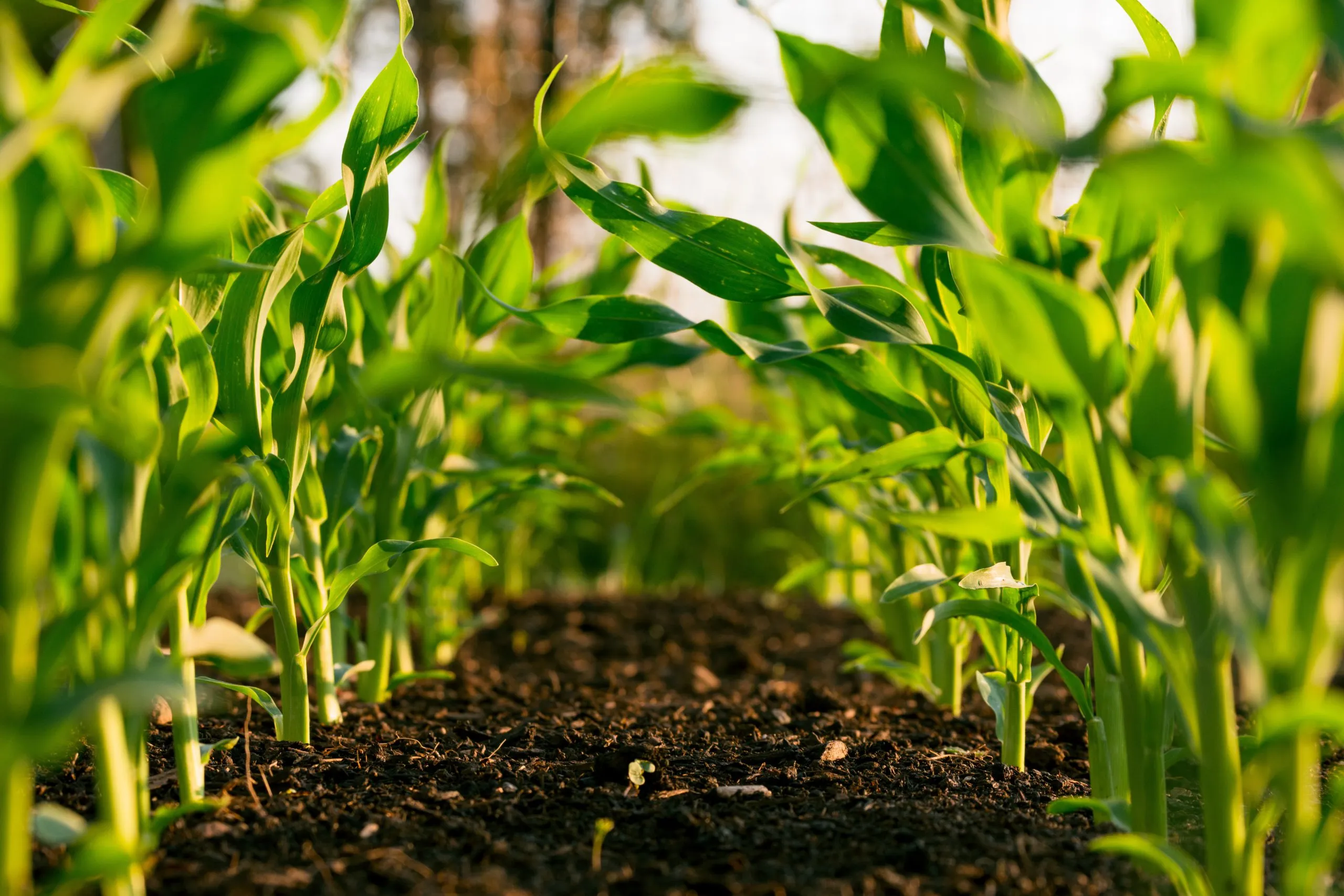 To better understand the concept and application of smart planting, it is important to know its main characteristics. In essence, it is based on four fundamental pillars.
Data collection guides smart planting
Sensors installed at all critical points on the farm collect and transmit data on soil, air, and other elements that affect production.
Diagnosis shows which points require attention in smart planting
The collected data is analyzed by the system, generating conclusions about the status of the monitored object or process. At this stage, potential problems are identified.
Accurate decision-making
Based on the problems identified in the previous stages, the software platform and/or a person managing the platform decides on the actions that need to be taken.
Actions guide smart planting and crop management
The actions identified in the previous stage are carried out. A new measurement of soil, air, and humidity is taken by the sensors, and the entire cycle begins again.
Smart planting in practice: where to start?
Effective management of data and information is essential to the success of agricultural operations. This includes collecting, storing, analyzing, and interpreting agricultural data from various sources, such as sensors, drones, satellite images, and remote monitoring systems.
By adopting this approach, managers need to interpret data effectively, identify relevant trends and patterns, and take proactive measures to optimize farm performance.
With that in mind, where should you start with smart planting?
The starting point is to seek a service and technology provider partner. Today, companies such as Prisma Inteligência Agronômica introduce rural producers to smart planting in practice. With a highly qualified team, these companies provide producers with tools and techniques to optimize every stage of their activities—from field monitoring and the use of drones for pesticide application to creating the ideal greenhouse climate and harvesting.
In addition, in addition to having the support of a strategic partner, investing in learning about no-till farming is also essential. The “Smart Planting” course, an initiative of FieldView University, is ideal because it provides the guidelines producers need to implement smart planting practices on their farm.
 Did you like the content and want to transform the management of your property?
Contact us and find out how we can help you.

